
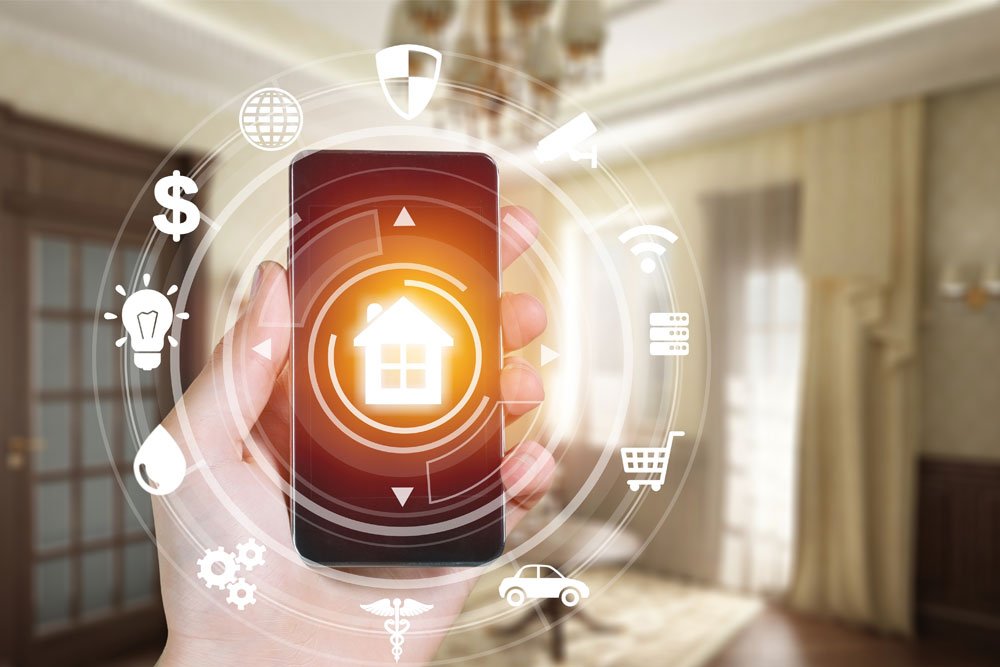
Your home should work for you, not the other way around.
That’s the simple promise behind smart home technology.
But during a remodel, most homeowners don’t realize it’s not just about which devices to buy. The real opportunity is in the infrastructure you’ll hide behind those walls before they close back up.
When you’re already investing in a major remodel, smart home integration isn’t about adding gadgets. It’s about building in the wiring, power, and connectivity that will make your home more comfortable, secure, and valuable for decades to come.
Start with Your Lifestyle, Not the Technology
Before diving into specific technologies, ask yourself how you actually live in your home.
Do you work from home regularly? Then prioritize reliable networking, good climate control in your office, and quality lighting that reduces eye strain. A family that’s rarely home during the day has different needs.
Do you cook most nights, or is your kitchen mainly for reheating takeout? Serious home cooks benefit from sophisticated kitchen technology. If you rarely cook, focus on basics like good lighting and convenient device charging.
Do you have young children? Security features like video doorbells and smart locks that log every entry matter more. Empty nesters might prioritize whole-home audio and automated lighting instead.
Do you entertain frequently? Outdoor speakers, automated lighting scenes, and simple-to-use systems that guests can figure out become important. If you mostly keep to yourselves, complexity matters less.
The point is: not every smart home feature makes sense for every household. The best approach is choosing technologies that genuinely improve how you live, not installing everything just because you can.
That said, there’s one area where everyone should invest during a remodel—the hidden infrastructure.
Start with the Foundation: Wiring and Power
Why Hardwiring Still Matters
WiFi is convenient, but it’s not reliable enough for security cameras, whole-home audio, or systems you depend on daily. Running Cat6 ethernet cable while walls are open costs a fraction of what it would cost to retrofit later. You’ll get faster speeds, better reliability, and a system that works even when WiFi acts up.
During your remodel, consider running conduit (empty pipes) to key locations. Technology changes fast—conduit lets you pull new cables in the future without tearing open walls again.
Power Where You Need It
Smart homes need power in smart places. USB outlets in the kitchen keep phones charged without adapters cluttering your counters. Outlets inside cabinets can charge tablets and devices out of sight. A dedicated 20-amp circuit in your home office prevents breaker trips when you’re running multiple monitors.
Motion-activated lighting in closets and pantries is one of those small upgrades that you’ll use multiple times a day. Once you have it, you’ll wonder why every closet doesn’t come this way.
Climate Control: Comfort in Every Room
Nobody should have to fight over the thermostat anymore. But how much climate control you need depends on your home’s layout and how you use different spaces.
Room-by-Room Temperature
Smart thermostats paired with zoned HVAC let different parts of your home maintain different temperatures. Keep the bedroom cool for sleeping while the home office stays warmer during the day. Guest rooms can automatically go into energy-saving mode when empty.
If you have a smaller home or don’t use certain rooms at different times throughout the day, a single smart thermostat might be all you need. But if you work from home, have guest quarters, or find yourself constantly adjusting temperatures in different areas, zoning makes sense.
Better systems learn your patterns. They know when you typically wake up, when you leave for work, and when you come home. The house adjusts automatically—you don’t need to program anything or think about it.
Automated Window Treatments
Motorized shades that respond to the sun save real money on cooling costs, especially if you have large south or west-facing windows. They automatically close during peak afternoon heat, protecting your furniture from UV damage while keeping the AC from running constantly. When you’re in a room enjoying the view, the shades stay up. When you’re not, they do their job.
Not every window needs motorized shades—focus on the ones where sun control makes the biggest difference or where you’d otherwise struggle to reach them (like high windows or skylights).
Better Air Quality
Smart air quality sensors detect dust, chemicals from cleaning products or new furniture, humidity, and CO2 buildup. When the air quality drops, the system adjusts ventilation or turns on air purifiers automatically. If anyone in your family has allergies or asthma, this can make a real difference.
Lighting: Beyond Flipping Switches
Good lighting makes or breaks a room. Smart lighting makes it effortless.
Instead of a wall full of switches, you get simple controls. “Good Morning” gradually lights up the kitchen. “Movie Time” dims the family room while leaving just enough light to walk safely. Create these scenes once, then trigger them with your voice, a button, or automatically at certain times.
The real benefit isn’t showing off to guests—it’s that your home works exactly how you want it, every time, without thinking about it.
Lighting That Supports Your Health
Your lights can actually help you sleep better and stay alert when you need to. Morning light is brighter and more blue-tinted to wake you up. Evening light shifts warmer to help your body wind down naturally. If you work from home, this makes a noticeable difference in reducing eye strain and maintaining energy throughout the day.
Security and Access: Protection That Actually Works
Today’s security systems do much more than sound an alarm when a window breaks.
Modern Security Cameras
Current cameras deliver crystal-clear 4K video and can tell the difference between your family, the mail carrier, and a stranger. They’ll alert you when a package arrives, automatically open the garage when they recognize your car, and keep a searchable record of who’s been on your property.
Good installation means your cameras cover your property without pointing into your neighbor’s yard.
Smart Locks That Make Sense
Electronic locks give you complete control without fumbling for keys. Contractors get codes that expire when the project is done. Housekeepers have codes that only work on their scheduled days. You can create guest codes instantly and text them to visitors. Every entry gets logged automatically.
Video doorbells show who’s at the door on any screen in your house. You can answer from your home office or talk to delivery drivers while you’re traveling.
Kitchen and Bath: Where You’ll Notice the Difference
The spaces you use most benefit from smart technology. But which features make sense depends on how you actually use these rooms.
Kitchen Upgrades That Matter
If you cook frequently, voice-activated faucets mean you don’t transfer bacteria from raw chicken to your fixtures. Charging drawers keep devices powered without cluttering counters—helpful whether you cook or not. Your range hood can automatically turn on when the cooktop activates, and you can preheat your oven on the drive home.
Under-cabinet lighting with motion sensors illuminates your workspace automatically. Toe-kick lighting provides safe navigation during late-night trips to the kitchen.
The key is focusing on upgrades that match your cooking style. If you’re a serious home chef, connected appliances that communicate with each other can streamline meal prep. If cooking isn’t your thing, stick with the basics: good lighting and convenient charging.
Bathroom Comfort
Digital shower controls that remember each family member’s preferred temperature are one of those upgrades that feels extravagant until you have it—then it becomes essential. No more adjusting knobs or waiting for the right temperature.
For primary bathrooms where you start every day, heated floors that turn on automatically before you wake up transform your morning routine. Smart mirrors that display weather and your calendar are helpful if you’re checking your schedule while getting ready.
Steam showers, ambient lighting, and sound systems turn your daily shower into something you look forward to—but these make most sense if you have the space and actually enjoy long showers. Otherwise, focus on the basics: reliable temperature control and warm floors.
Whole-Home Audio and Entertainment
If music is part of your daily life, whole-home audio makes sense. If you rarely listen to music or only use headphones, you can skip this section.
Whole-home audio lets you play jazz in the kitchen while someone else listens to a podcast in the home office. Outdoor speakers extend your living space for entertaining or quiet evenings on the patio. The system follows you through your house without needing separate speakers in every room.
Media rooms are simple: one button lowers the lights, adjusts the temperature, and optimizes the sound. No juggling multiple remotes or remembering the right sequence.
The goal is simplification, not complication. The best systems work so intuitively that guests can figure them out, and you never need to pull out a manual.
Energy Management: Savings That Add Up
Smart homes use less energy without you thinking about it.
Automated Efficiency
Lights turn off in empty rooms. Climate systems adjust when no one is home. Smart outlets cut power to devices in standby mode (those phantom loads that waste energy 24/7). According to ENERGY STAR, smart home energy management systems help homeowners simplify, reduce, and manage energy consumption through automated control and scheduling. These small savings add up to hundreds of dollars per year.
Solar and Battery Integration
If you have or are considering solar panels, smart home systems optimize when you use stored energy versus grid power. They can even sell excess power back to the grid during peak pricing times, reducing your effective energy costs.
Whole-home energy monitors show exactly which systems use the most power, helping you make informed decisions about where efficiency upgrades will have the biggest impact.
What This Means for Your Property Value
Smart home integration represents a real investment. Here’s what you’re getting for it.
Daily Life Gets Better
The biggest return is how you live every day. Less friction, more comfort, better security. Once you experience a properly integrated smart home, going back to manual control feels like going back to a flip phone.
Buyers Expect It
High-end buyers increasingly expect sophisticated technology infrastructure. A well-designed smart home system becomes a selling feature that sets your property apart. Professional installation with quality components signals overall home quality.
Your Home Stays Current
Proper infrastructure means your home can adapt to new technologies for decades. The devices may change, but robust wiring, adequate power, and thoughtful equipment placement provide flexibility for whatever comes next.
Working with the Right Team
Smart home integration needs collaboration between your remodeling contractor, technology specialists, and designers.
Plan Early
Technology decisions should happen during design, not as afterthoughts. Equipment locations, wire pathways, speaker placements, and control interfaces need coordination with your architectural and interior design plans. Start these conversations early in the planning process.
Quality Matters
Consumer electronics have short lifespans. Professional-grade systems from established manufacturers offer better reliability, comprehensive warranties, and expert support. While premium equipment costs more upfront, the difference in longevity and performance justifies the investment.
Ongoing Support
Unlike traditional construction that’s “finished” when the project ends, smart home systems benefit from ongoing optimization. Having a relationship with a qualified technology partner ensures you have expertise available as your needs change.
Planning Your Smart Home Integration
When approached thoughtfully, smart home integration transforms a remodel from a simple upgrade into a meaningful enhancement of how you live. Your home becomes not just a reflection of your taste, but a responsive environment that adapts to your life—today and for years to come.
The most successful smart home integrations don’t announce themselves—they simply make life better. When planning your remodel, consider not just the spaces you’re creating, but the experience of living in them.
This is where working with an experienced remodeling team makes all the difference. While we’re not a technology company, we’ve guided countless homeowners through these decisions during the design and planning phase. We coordinate with qualified technology partners, ensure the infrastructure is properly integrated into your remodel, and make sure every wire, outlet, and system fits seamlessly into your vision.
The key is having these conversations early—before walls are closed and opportunities are missed.
Contact us today to discuss your vision and discover how thoughtful planning can elevate your entire project.

Leave A Comment