
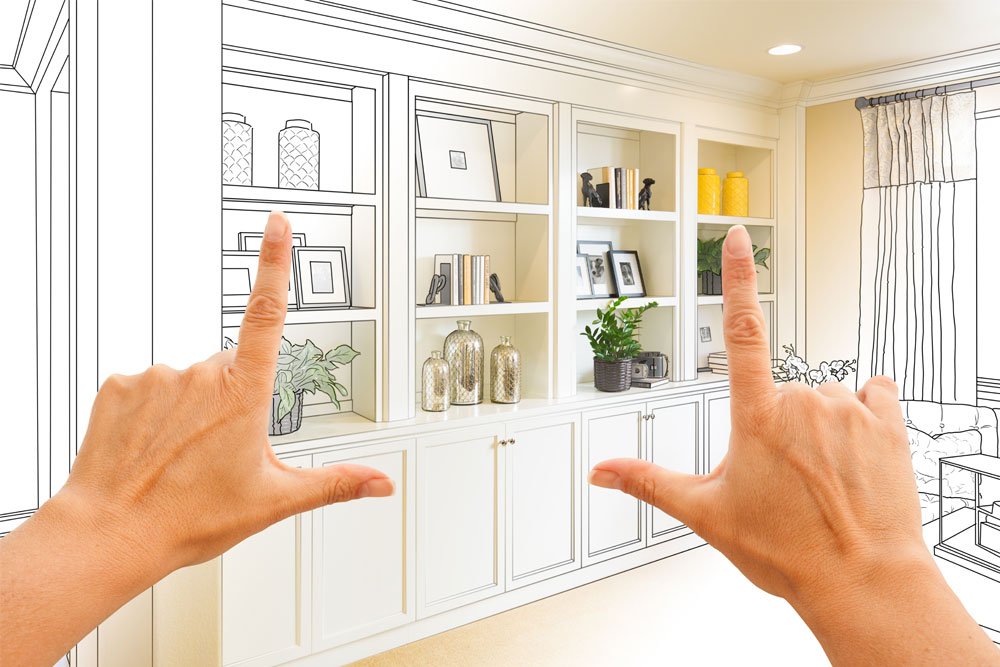
The excitement of a home remodel often comes with an urge to tear everything out and start fresh.
But wait.
Before you swing that sledgehammer, take time to evaluate what’s already in your home. This thoughtful approach can save you money, reduce waste, and even become the signature element of your new design. The most successful remodels blend thoughtful preservation with smart updates.
Whether your home was built in 1925 or 2005, the principle remains the same: look past the dated finishes to evaluate what’s actually underneath. Even newer homes often have quality materials worth preserving, and every era has its own opportunities for smart updates and creative repurposing.
The Hidden Value in Your Existing Home
Every home has a story, and many elements that seem dated at first glance hold surprising potential. That vintage hardwood buried under carpet, the solid wood cabinets with good bones, or those architectural details that define your home’s character—these aren’t just construction materials. They’re opportunities to create something uniquely yours while making sustainable choices that benefit both your budget and the planet.
What to Keep: Elements Worth Preserving
Hardwood Flooring
If your home has hardwood floors, you’ve struck gold. Even if your hardwood was installed 20 or 30 years ago, it likely has several more refinishes left in it. Floors that look tired and scratched can often be sanded and refinished to stunning effect. Solid hardwood flooring can be refinished multiple times over its lifetime, and the character marks, slight variations in tone, and patina of aged wood add warmth that new materials simply can’t replicate.
Quality Cabinetry
Solid wood cabinets with dovetail joints and full-overlay construction are built to last generations. If the bones are good, refacing or repainting can completely transform their appearance at a fraction of the cost of replacement. This approach dramatically reduces landfill waste while giving you a custom look. Even 1990s and 2000s oak cabinets—often dismissed as outdated—are typically solid wood construction that can be painted for a fresh, contemporary look or relocated to spaces like laundry rooms, garages, or home offices where they provide valuable storage. Even changing just the hardware and adding a fresh coat of paint can yield remarkable results that align with current design trends.
Architectural Details
Crown molding, wainscoting, original trim work, and built-in shelving define your home’s architectural personality. These handcrafted details are expensive to reproduce and lend authenticity that new construction rarely matches. In today’s design landscape, there’s growing appreciation for preserving original character while updating the surrounding spaces for modern living.
Vintage Fixtures
Clawfoot tubs, pedestal sinks, and vintage light fixtures have become highly sought-after design elements. If your home has original fixtures in good condition, they can become stunning focal points. Even damaged pieces can often be professionally refinished, which is far more sustainable than manufacturing new replacements.
What to Toss: When Replacement Makes Sense
Outdated or Damaged Plumbing and Electrical
Safety and functionality come first. Old galvanized pipes, outdated electrical panels, and knob-and-tube wiring need to go. These aren’t just inefficient—they’re potential hazards. Modern plumbing and electrical systems are more reliable, safer, and energy-efficient.
Damaged Drywall and Insulation
Water-damaged drywall can harbor mold, and old insulation often contains materials we now know are harmful or simply ineffective. Replacing these with modern, eco-friendly alternatives improves your home’s health, energy efficiency, and comfort. Look for insulation made from recycled materials or sustainable options like cellulose or mineral wool. According to the EPA, construction and demolition materials account for a significant portion of waste in landfills, making thoughtful material selection and repurposing especially important.
Worn-Out Windows
While vintage windows have charm, single-pane windows are energy vampires. If your windows are beyond repair, modern energy-efficient replacements will reduce your carbon footprint and energy bills significantly. Some homeowners choose to keep original windows in less critical areas while upgrading windows in primary living spaces—a balanced approach that honors character while improving performance.
Damaged or Low-Quality Materials
Particle board cabinets, laminate countertops with irreparable damage, or carpeting that’s seen better days rarely warrant saving. These materials have limited lifespans and don’t offer the durability or sustainability of quality alternatives.
What to Repurpose: Creative Transformations
This is where remodeling becomes truly exciting. Repurposing materials reduces waste, adds character, and creates conversation-starting design elements that mass-produced items can’t match.
Reclaimed Wood Projects
Old floor joists, removed hardwood, or salvaged lumber can become floating shelves, accent walls, headboards, or custom furniture pieces. Barn wood and reclaimed materials are on-trend and bring warmth and texture to modern spaces. The weathered patina and nail holes tell stories that new wood simply cannot.
Cabinet Transformations
Upper cabinets can be repurposed as bathroom vanities, mudroom storage, or garage organization systems. Cabinet doors can become decorative wall panels or bulletin boards. Even drawer fronts can be transformed into serving trays or picture frames with a little creativity.
Tile and Stone Remnants
Broken tiles can be transformed into mosaic backsplashes, garden stepping stones, or decorative trivets. Granite or marble countertop cutouts make elegant serving boards, bathroom trays, or outdoor tabletops. These small touches add custom details throughout your home.
Vintage Door and Window Conversions
Old doors make stunning headboards, room dividers, or tabletops. Vintage windows can become decorative mirrors, greenhouse cold frames, or garden art. These repurposed elements infuse spaces with personality and align with the growing design trend of mixing old and new.
Lighting Reimagined
Outdated light fixtures can often be spray-painted, rewired, or fitted with Edison bulbs for an industrial-chic look. Builder-grade materials from the 90s and 2000s—like honey oak trim or brass fixtures—can be spray-painted or powder-coated in contemporary finishes like matte black or brushed nickel for an instant update. Chandeliers can move from dining rooms to bedrooms or bathrooms for unexpected elegance.
Making Smart Decisions: A Framework
When evaluating each element in your space, ask yourself these questions:
Is it structurally sound and safe? Safety always comes first, so damaged structural elements or hazardous materials should be removed.
Does it align with how you live? A formal dining room you never use might become a home office or playroom, but the beautiful built-ins could stay and serve the new function.
What’s the environmental cost? Keeping and refreshing existing materials almost always has a lower environmental impact than purchasing new. Manufacturing, shipping, and disposing of materials all carry carbon costs.
Does it have design potential? With fresh eyes and creative thinking, many “dated” elements can be transformed into design highlights that reflect current aesthetics while honoring your home’s history.
What’s the true financial comparison? Factor in disposal costs, material costs, and labor when comparing renovation versus replacement. Sometimes keeping original elements and updating around them is both the most sustainable and most budget-friendly choice.
Working with Your Remodeling Team
A skilled remodeling contractor will walk through your space with you before demolition begins, identifying salvageable materials and discussing creative possibilities. They can assess structural integrity, suggest repurposing opportunities you might not have considered, and connect you with artisans who specialize in restoration or custom fabrication.
The best remodels happen when homeowners and contractors collaborate on these decisions early in the planning process. This conversation prevents regrettable demolition decisions and opens up creative possibilities that make your remodel truly one-of-a-kind.
Making Thoughtful Demo Decisions
Thoughtful demolition is an art form. By carefully considering what to keep, what to remove, and what to transform, you create a remodel that’s more sustainable, more personal, and often more beautiful than a complete tear-out. Some of your home’s existing elements may have more potential than you realize—with the right approach, they can become integral to your newly updated space.
The most memorable remodels don’t erase history; they honor it while creating something new. Before you demo, take time to see your home’s potential. You might be surprised by what you discover.
Ready to transform your space with expert guidance? We help homeowners navigate every remodeling decision, from what to preserve and what to replace, to creative repurposing ideas and those perfect finishing details. Contact us today to discuss your vision and discover how thoughtful planning can elevate your entire project.

Leave A Comment