
Home renovations are exciting journeys, transforming outdated spaces into reflections of our personal style and modern needs.
While much attention is often given to paint colors, flooring, and fixtures, there’s one element that can dramatically elevate a renovation from simply “nice” to truly “dreamy”: lighting.
Often overlooked or considered an afterthought, thoughtful lighting design is the silent hero of a successful home transformation.
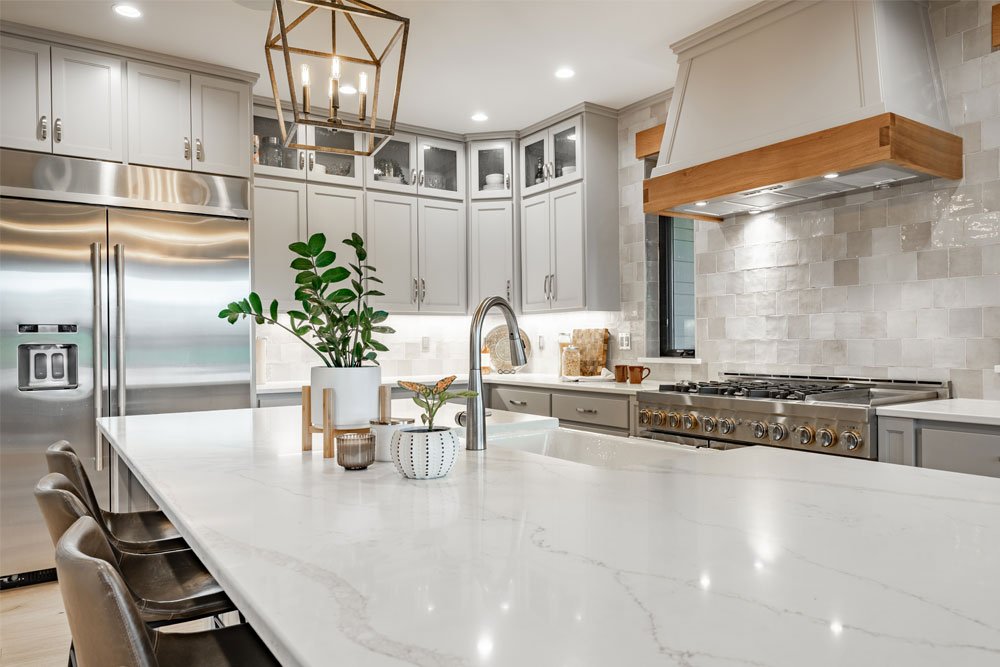
Imagine stepping into a newly renovated kitchen. The cabinets are sleek, the countertops gleam, but the single overhead fixture casts harsh shadows, making the space feel cold and uninviting. Now, picture the same kitchen bathed in a warm, inviting glow, with strategically placed task lighting illuminating every workspace, and accent lighting highlighting architectural features. The difference is palpable, and it’s all thanks to the art of illumination.
Beyond the Basic Bulb: Understanding Lighting Layers
The key to masterful lighting design lies in understanding and implementing different “layers” of light. Just as an artist uses various brushstrokes to create depth and dimension, you should employ a mix of lighting types to achieve a multifaceted and functional space.
1. Ambient Lighting: This is the foundational layer, providing general illumination for a room. Think of it as the overall mood setter.
- Recessed Lighting: Discreet and modern, recessed lights provide broad, even illumination. They’re excellent for general overhead lighting and can be used with dimmers to adjust the intensity.
- Chandeliers & Pendants: These fixtures serve as both light sources and decorative focal points. A grand chandelier can define a dining area, while a series of pendant lights can add a stylish touch over a kitchen island.
- Flush Mounts & Semi-Flush Mounts: Ideal for spaces with lower ceilings, these fixtures provide general illumination without protruding too much into the room.
2. Task Lighting: As the name suggests, task lighting is specifically designed to illuminate work areas where specific activities take place. This is crucial for functionality and reducing eye strain.
- Under-Cabinet Lighting: Essential in kitchens, under-cabinet lighting brightens countertops, making meal prep safer and more enjoyable. It can also create a beautiful glow, highlighting your backsplash.
- Desk Lamps: A well-placed desk lamp provides focused light for reading, writing, or computer work in a home office.
- Vanity Lighting: In bathrooms, proper vanity lighting eliminates shadows on your face, making grooming tasks like applying makeup or shaving much easier.
3. Accent Lighting: This layer is all about drama and highlighting specific features, adding visual interest and depth to a room.
- Picture Lights: Designed to illuminate artwork, these small fixtures draw attention to your favorite pieces.
- Track Lighting: Versatile and adjustable, track lighting allows you to direct light precisely where you want it, perfect for highlighting architectural details or collections.
- Wall Sconces: These decorative fixtures add a touch of elegance and provide a soft, upward or downward glow, creating beautiful patterns on the walls.
The Power of Dimmers and Smart Lighting
No discussion of modern lighting design is complete without mentioning dimmers and smart lighting systems. Dimmers allow you to control the intensity of your lights, transforming a bright, energetic kitchen into a cozy, intimate space with the flick of a switch.
Smart lighting takes this a step further, offering unparalleled control and customization. You can program scenes for different activities (e.g., “cooking,” “dining,” “movie night”), control lights remotely via your smartphone, and even integrate them with voice assistants. This level of flexibility allows you to perfectly tailor the ambiance of your renovated home at any moment.
Planning Your Lighting Renovation
Incorporating thoughtful lighting into your home renovation should begin at the planning stages, not as an afterthought.
- Assess Your Needs: Consider how each room will be used. Do you need bright task lighting in the kitchen? Soft, ambient lighting in the bedroom? Accent lighting for a gallery wall?
- Draw a Lighting Plan: Work with your contractor or an electrician to map out the placement of fixtures, switches, and outlets. This ensures proper wiring and avoids costly changes later.
- Consider Natural Light: Maximize natural light sources first. Then, use artificial lighting to complement and enhance what’s already there.
- Match Style to Function: Choose fixtures that not only provide the right light but also complement your home’s aesthetic. Lighting is an integral part of your decor!
- Don’t Forget the Details: Think about bulb type (warm vs. cool light), color rendering index (CRI) for accurate color depiction, and energy efficiency (LEDs are a fantastic choice).
Conclusion
Your home renovation is an investment in your comfort, style, and daily life. By embracing the art of lighting, you can transform your spaces from merely functional to truly magical. Don’t underestimate the power of a well-lit room to enhance mood, highlight design features, and create an inviting atmosphere that you’ll love coming home to. From drab to dreamy, the right lighting truly is the finishing touch that illuminates your renovation masterpiece.
Ready to See Your Home in a New Light?
Don’t let poor lighting dim the potential of your renovation. At Hieber Homes, we integrate expert lighting design from the very first blueprint, ensuring your new space is functional, beautiful, and perfectly illuminated.
Contact Hieber Homes today for a personalized design consultation and take the first step from drab to dreamy!

Leave A Comment